For systems integrators, engineers, and procurement managers in the professional AV industry, the question is no longer if to network their audio systems, but how. At the heart of this revolution is a technology that has become the de facto standard for modern installations: Dante.
But what is Dante exactly, and why has it become so critical for everything from corporate boardrooms to large-scale retail and worship spaces? This guide cuts through the technical jargon to explain how Dante audio networking provides a tangible business and performance advantage for your projects.
At its core, Dante is a combination of software, hardware, and network protocols that delivers multi-channel, uncompressed digital audio over standard Ethernet networks.
Think of it this way:
Traditional Analog Systems: Require a dedicated "home run" cable from each microphone or audio source to the mixer or processor. This creates a complex, heavy, and expensive web of wiring.
A Dante Network: Uses a single, lightweight Ethernet cable to carry dozens, even hundreds, of bidirectional audio channels simultaneously. It turns your entire Local Area Network into a powerful, flexible, and intelligent audio matrix.
Understanding the ecosystem is key to effective system design. A typical Dante audio system comprises three key elements from manufacturers like Cretone:
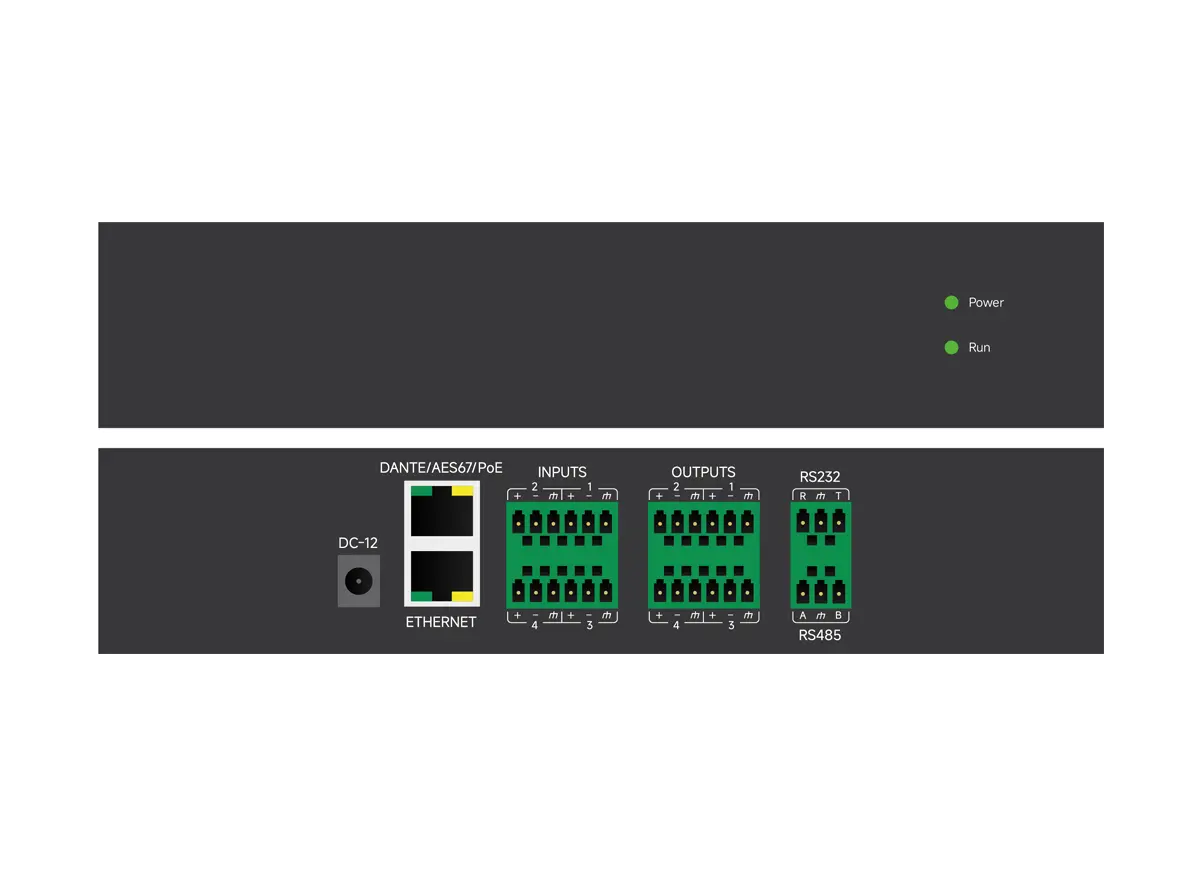
Dante-Enabled Transmitters: Devices that send audio onto the network. Examples include our Dante Microphones and Dante Converters (like the DIC2), which can bring analog sources like legacy mixers or microphones into the digital domain.
The Network Infrastructure: A standard IT network switch manages the data flow. Dante network traffic coexists peacefully with your data, video, and control traffic.
Dante-Enabled Receivers: Devices that receive audio from the network. This includes our Digital Audio Processors with Dante cards, Dante Amplifier Modules, and powered PoE Speakers with Dante input.
The connection and routing between all these devices are managed intuitively through Dante Controller software, a free application that provides a visual map of your entire audio system.
Adopting Dante audio networking is not just about following a trend; it's about making a strategic decision that impacts the entire project lifecycle.
Simplified Cabling: By using a single Cat cable to replace bulky, dedicated analog snakes, you significantly reduce cable weight, cost, and conduit space.
Faster Deployment: Terminating and testing Ethernet cables is faster and requires less specialized skill than soldering XLR connectors, accelerating project timelines.
Easy Reconfiguration: Need to move a microphone from the stage to the back of the room? Simply plug it into a different network jack and re-route the signal in software—no rewiring required.
Future-Proof Expansion: Adding more zones or audio sources is as simple as connecting a new device to the network switch. This scalability makes Dante ideal for businesses that plan to grow.
Low-Latency, Perfect Synchronization: Dante ensures sample-accurate synchronization across all outputs, eliminating phasing issues and ensuring announcements and music are perfectly timed across an entire facility.
High-Fidelity Audio: It transmits uncompressed, digital audio, preserving the original sound quality from source to speaker.
Centralized Management: The Dante Controller software gives you a bird's-eye view of every device and audio channel on the network, making system verification and diagnostics far more efficient than tracing physical cables.
A common question we encounter is, "What is a DSP in AV," and how does it relate to Dante?
DSP (Digital Signal Processor) is the brain of the audio system. It handles tasks like mixing, equalization, filtering, digital noise reduction, and dynamics processing.
Dante is the nervous system. It is responsible for the high-speed transportation of audio signals to and from the DSP.
Our Digital Audio Processor series perfectly exemplifies this synergy. They act as a central processing hub, receiving dozens of Dante audio channels from across the network, applying the necessary audio processing, and then routing the finished mixes back out to amplifiers and speakers—all digitally, and all with pristine quality.
As a leading audio technology company, Cretone builds Dante into the core of our product ecosystem. We provide the essential components for a complete, networked audio solution:
Dante Converters to bridge legacy systems.
Dante-Enabled DSPs for central processing.
Dante Microphones for direct digital input.
Amplifiers with Dante Modules for direct network connection.
This integrated approach ensures interoperability, reduces system points of failure, and simplifies your procurement process.
For any new or retrofit AV project, specifying a Dante-based system is a best practice that delivers immediate and long-term value. It simplifies complexity, reduces costs, and provides the flexibility that modern businesses demand.

 English