In modern audio systems, with the development of network audio technology, Dante has basically become the industry standard for audio transmission, especially in large-scale audio deployments and application scenarios that require high-quality audio transmission. The Dante gooseneck microphone is a perfect combination of this technology, providing an efficient, flexible, and easy-to-manage audio input solution.
A Dante gooseneck microphone is a professional audio input device that combines two key technologies:
Dante Audio Protocol
Digital Audio Network Through Ethernet - the industry standard for audio-over-IP transmission that enables digital audio distribution over standard network infrastructure.
Gooseneck Design
Flexible, adjustable microphone arm that allows precise positioning while maintaining a professional appearance in formal settings.
This combination creates a microphone system that delivers studio-quality audio with the installation simplicity and management flexibility of network devices.
Through the Dante protocol, audio signals can be transmitted via standard Ethernet to audio processors, mixers, or other network devices, reducing the complexity of traditional audio wiring.
The Dante protocol ensures extremely low audio latency (usually less than 1 millisecond) and high-quality audio transmission, ensuring clear voice, suitable for conferences, speeches, etc.
Dante gooseneck microphones can be configured and managed remotely through the network, conveniently integrating into existing audio systems, supporting large-scale device interconnection and device monitoring.
Due to digital transmission, Dante microphones can effectively avoid interference and signal attenuation problems in traditional analog audio transmission, ensuring stable audio quality.
Choosing between a traditional analog setup and a modern Dante network audio system is a critical decision for system integrators. Below is a detailed comparison matrix highlighting why the Cretone Dante Gooseneck Microphone is the superior choice for modern installations.
Comparison Matrix: Analog vs. Dante Connectivity
| Key Features | Traditional Analog Microphone | Cretone Dante Gooseneck Mic |
| Cabling & Infrastructure | Requires thick, individual XLR cables for every single microphone. | Uses a single standard Cat5e/6 Ethernet cable for all data and power. |
| Power Supply | Needs external Phantom Power from a mixer or local power supply. | Supports PoE (Power over Ethernet); no extra power adapters needed. |
| Signal Integrity | Vulnerable to electromagnetic interference and signal loss over long distances. | Near-Zero Interference; digital signal remains pristine regardless of cable length. |
| System Scalability | Expanding requires physical rewiring and massive hardware upgrades. | High Scalability; simply add to the existing network via software routing. |
| Control & Monitoring | Limited to manual adjustments on the physical rack or mixer. | Full Remote Management via Dante Controller and web-based interfaces. |
| Installation Cost | High labor and material costs due to complex cable management. | Significantly lower TCO (Total Cost of Ownership) with streamlined IT infrastructure. |
Why This Matters for Your Projects
Traditional analog systems often struggle with "ground hum" and cable clutter, especially in large-scale conference rooms or government halls. By switching to the Cretone Dante solution, you leverage AoIP (Audio over IP) technology to ensure studio-grade audio quality with the simplicity of a plug-and-play IT network.
Our microphones are not just input devices; they are intelligent network nodes that integrate seamlessly with our Digital Audio Processors and PoE Switches.
To meet the rigorous demands of broadcast-grade environments and international conference standards, the Cretone Dante Gooseneck Microphone is engineered with high-fidelity digital processing components. Below are the core technical parameters:
Core Audio & Network Parameters
Audio Protocol: Dante® (Audinate) / AES67 Compatible
Sample Rate: 48 kHz / 96 kHz
Bit Depth: 24-bit
Frequency Response: 20 Hz – 20 kHz (± 1dB)
Dynamic Range: > 105 dB
Signal-to-Noise Ratio (SNR): > 85 dB
Latency: < 1 ms (Dante typical network latency)
Power Supply: Standard PoE (Power over Ethernet, IEEE 802.3af Class 0/1)
Power Consumption: < 3 Watts
Connector: Single RJ45 (Cat5e or Cat6)
Polar Pattern: Cardioid / Supercardioid (Option dependent)
Gooseneck Length: 340mm / 420mm / 480mm (Customizable)
Pro Tip for Integrators: Each microphone unit is automatically discovered by Dante Controller, allowing for instant routing to your DSP platforms without manual IP configuration.
Due to its high level of integration, flexible configuration, and high sound quality, the Dante gooseneck microphone is suitable for multiple fields and scenarios. Here are some typical applications:
Dante gooseneck microphones are widely used in various conference rooms, hearings, and multifunctional halls. Traditional conference audio systems often need to handle multiple microphone inputs, which presents high demands for audio transmission lines, equipment management, and wiring. By using Dante gooseneck microphones, users can connect multiple microphones through standard Ethernet, simplifying wiring work, and reducing the impact of signal attenuation and electromagnetic interference. Additionally, the Dante protocol provides convenient device management and audio routing functions, allowing the audio signals of multiple microphones in the conference to be flexibly controlled, ensuring clear and synchronized voice transmission.
News broadcasting, radio, and interviews usually require clear audio signals and low-latency audio transmission. In these scenarios, Dante gooseneck microphones not only provide high-quality audio signals but also allow remote management and adjustment through the network. Especially in large broadcast stations and newsrooms, Dante technology can centrally manage multiple audio devices through the network, simplifying audio signal routing and switching, and ensuring the stability and flexibility of the audio quality.
In large auditoriums and theaters, the simultaneous use of multiple microphones is often essential, especially during speeches, concerts, and theatrical performances. Dante gooseneck microphones can transmit multiple audio signals over a single network without sacrificing sound quality. Through centralized management, microphones can be quickly adjusted and controlled as needed, ensuring the perfect presentation of live audio signals. Additionally, the low latency characteristic of Dante technology ensures audio signal synchronization, so that actors, hosts, and bands are not disturbed by audio delays.
The application of Dante gooseneck microphones in educational and training environments is also increasing. Whether in school lecture halls, training centers, or large classrooms, Dante gooseneck microphones can provide clear voice transmission. In these scenarios, audio quality is critical, and Dante microphones transmit audio signals over the network, avoiding the complexity and instability of traditional wiring, making communication between teachers and students smoother.
In formal scenarios such as courts and hearings, the application of Dante gooseneck microphones is also very extensive. These scenarios usually require high-fidelity audio transmission to ensure that every speaker’s voice can be clearly and accurately recorded. Dante gooseneck microphones can transmit audio signals over the network, ensuring that the voices of all speakers can be transmitted and processed in real-time, reducing the risks of delay and equipment failure in traditional audio systems.
With the popularization of remote work and video conferencing, the application of Dante gooseneck microphones in video conferencing systems has become increasingly important. By integrating Dante technology, video conferencing systems can easily connect multiple microphones through the network, ensuring the stability and clarity of audio signal transmission. At the same time, Dante technology allows users to remotely manage and adjust audio devices, ensuring that every detail of the conference is fully expressed.
With its high-quality audio transmission, low latency, high flexibility, and ease of management, Dante gooseneck microphones have become indispensable devices in modern audio systems. Whether in conferences, news broadcasting, education and training, courts, hearings, or video conferencing, Dante gooseneck microphones can provide stable and clear audio input solutions. With the continuous development of Dante technology, we can look forward to more extensive applications of Dante gooseneck microphones in more scenarios, promoting more intelligent and integrated audio systems.
Switching to a Dante gooseneck microphone revolutionizes audio infrastructure by utilizing AoIP (Audio over IP) technology. Unlike traditional XLR mics that require bulky analog cables and separate power, Dante mics use a single Ethernet cable to transmit high-quality 24-bit audio and receive power. This results in ultra-low latency, zero signal degradation over long distances, and significantly reduced installation labor.
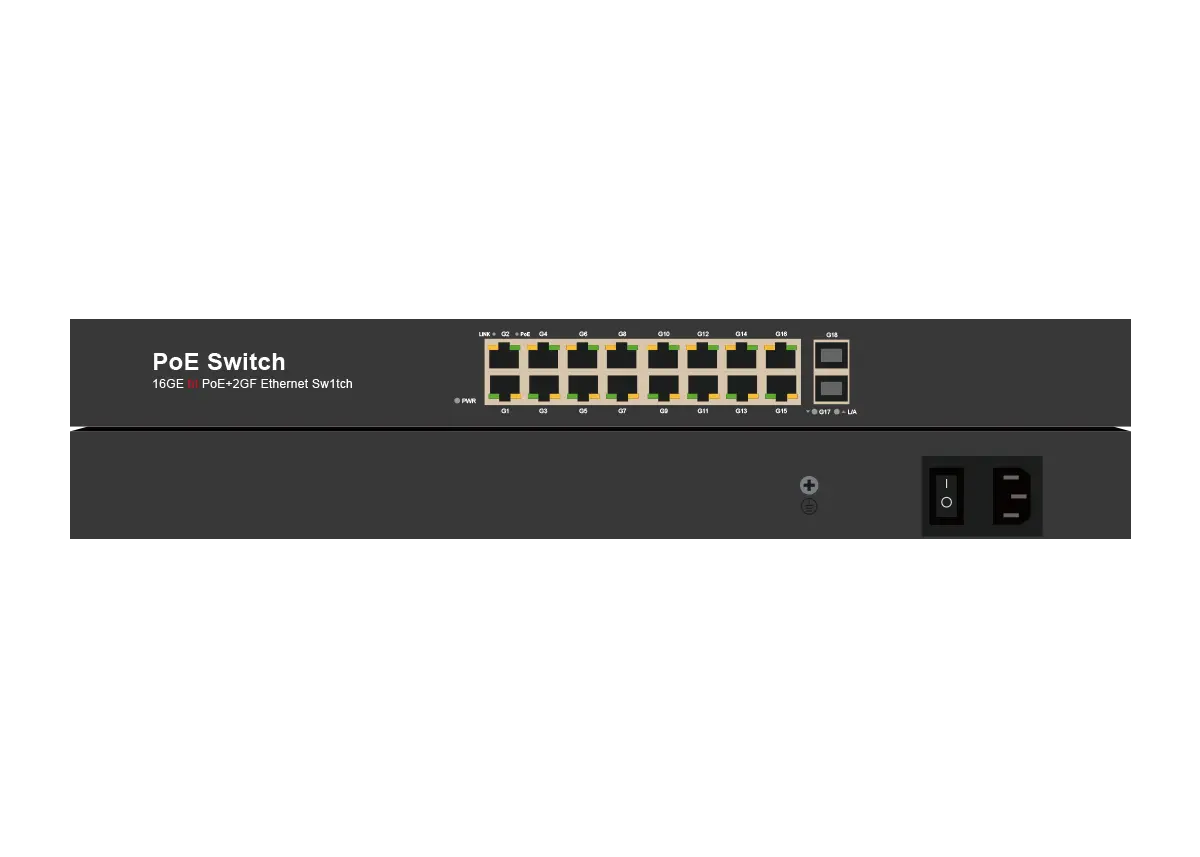
Yes. Our microphones are fully compliant with IEEE 802.3af standard PoE (Power over Ethernet). You can power the microphone directly through any standard PoE-enabled network switch, such as the Cretone PoE Switch series, eliminating the need for external power adapters or phantom power units.
All Cretone Dante microphones are automatically discovered by the Dante Controller software. This allows IT managers to route audio signals, adjust gain, and monitor device status remotely from a centralized PC. It is a plug-and-play solution that integrates seamlessly with Digital Audio Processors (DSP) for advanced AEC (Acoustic Echo Cancellation).
Yes, our Dante microphones can be configured to operate in AES67 Mode, ensuring interoperability with other non-Dante networked audio protocols and devices, providing maximum flexibility for complex AV integrations.

 English