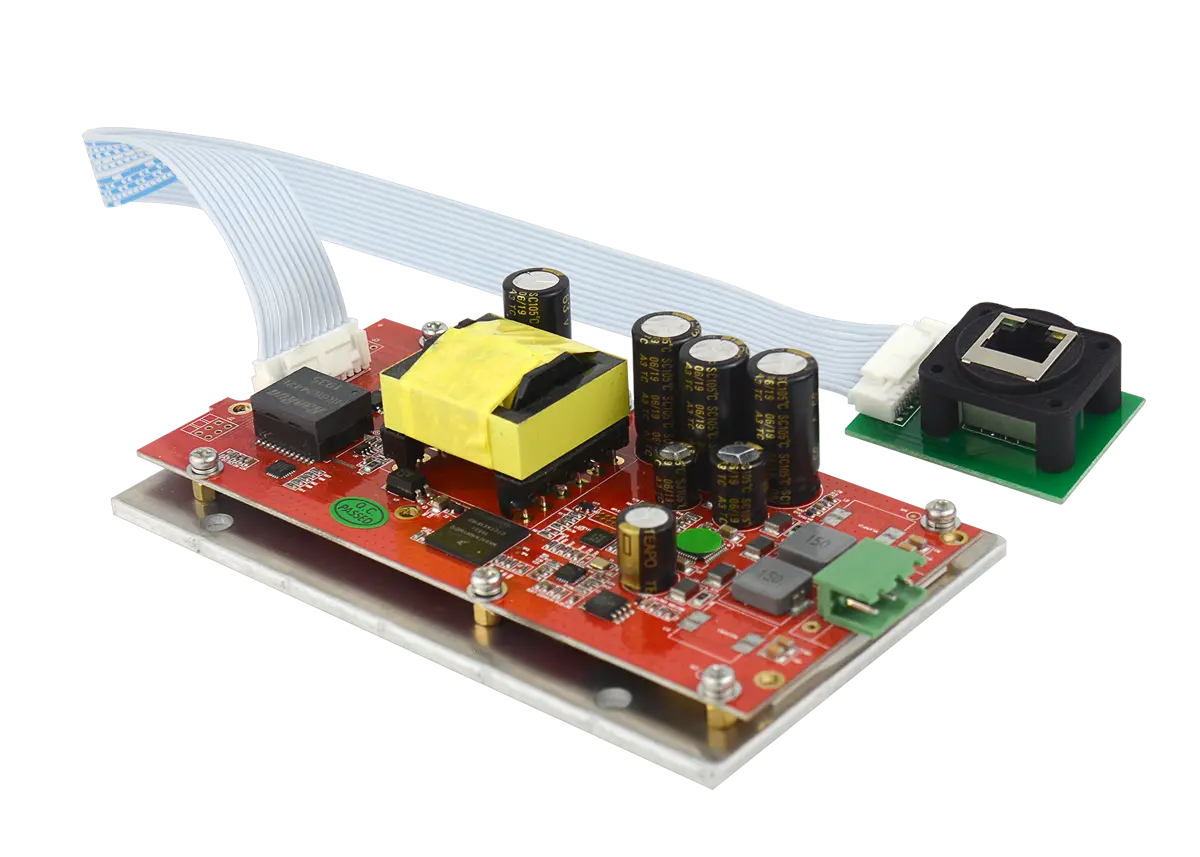
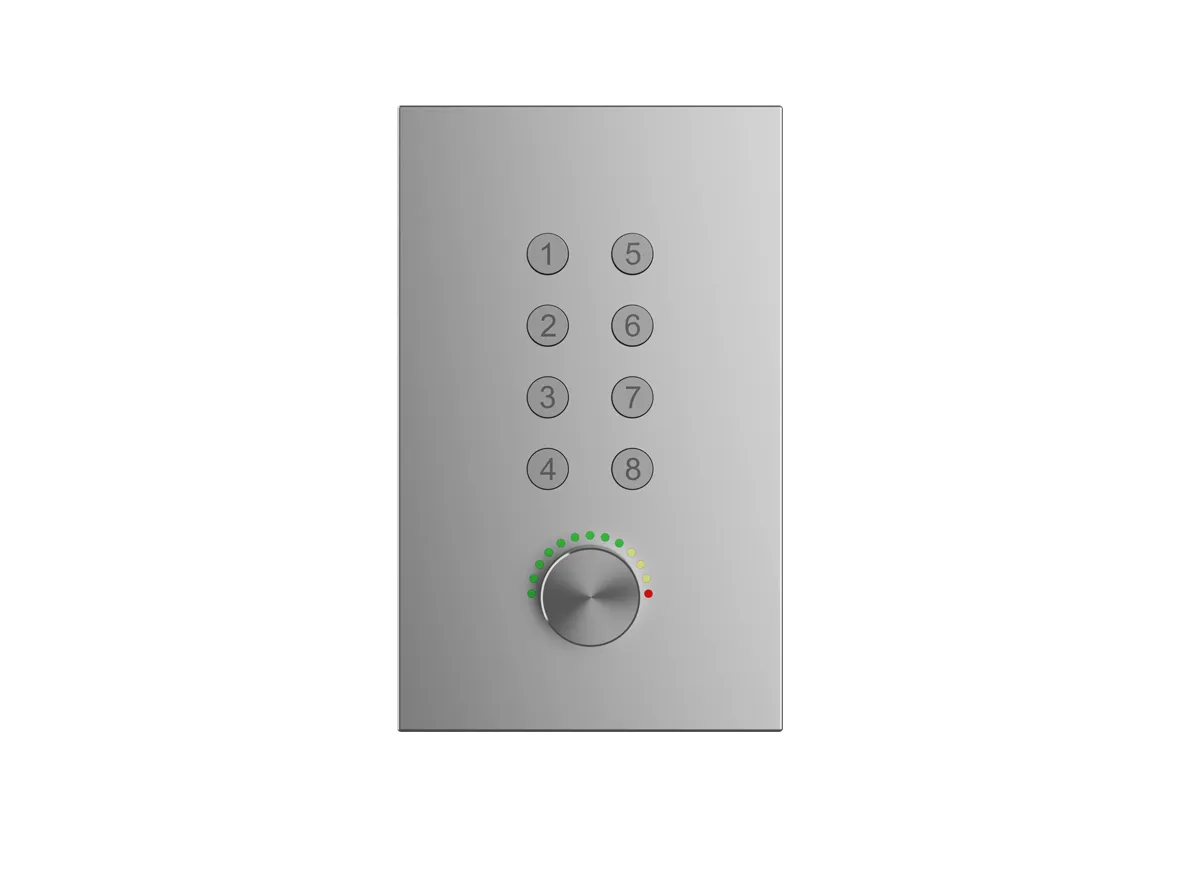
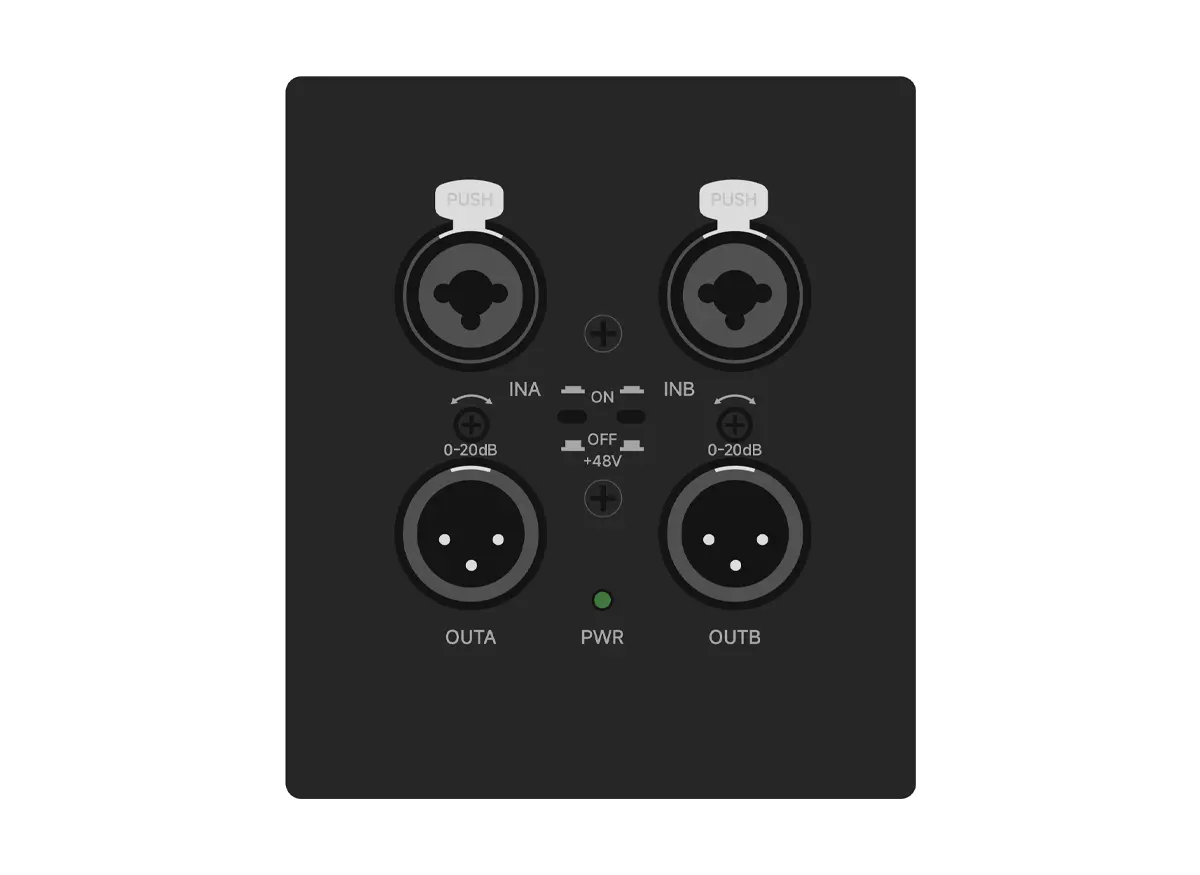
Choosing the right digital audio processor is crucial for achieving optimal sound quality and system performance in various audio applications, from professional sound reinforcement to home theater setups. With a wide range of models and features available, understanding the key factors can help you make an informed decision. This article outlines the essential considerations when selecting a digital audio processor, highlighting its features, compatibility, and application-specific requirements.
Before selecting a digital audio processor, it is important to clearly define the application and environment where it will be used. Different audio processing requirements arise in live concerts, broadcast studios, or fixed installations. For instance, live sound setups might require processors with advanced feedback suppression and multiple input/output channels, while home theaters prioritize surround sound decoding and user-friendly interfaces. Identifying your needs ensures the digital audio processor you choose can handle the required audio formats, channel counts, and processing algorithms.
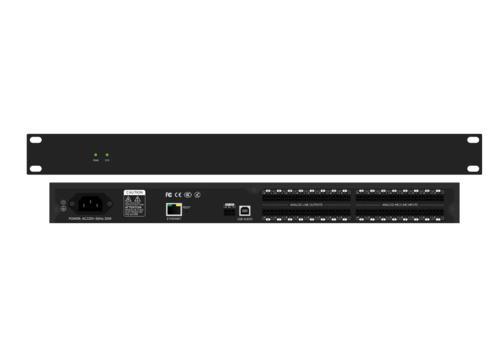
The core function of a digital audio processor is to manage audio signals with precision. When selecting one, evaluate its processing power, including the supported sample rates, bit depths, and latency. High processing capacity allows for complex equalization, dynamic range control, delay settings, and crossover management. Additionally, some processors offer customizable presets and programmable parameters to tailor the sound exactly to your system. Ensure the processor supports the audio formats and protocols (e.g., AES/EBU, Dante) that match your setup.
| Feature | Why It Matters |
|---|---|
| Sample Rate & Bit Depth | Higher values improve audio fidelity and detail |
| Latency | Low latency is critical for live sound and synchronization |
| Channel Count | Must match or exceed the number of inputs/outputs required |
| Processing Algorithms | Determines flexibility and sound customization options |
Connectivity options are vital when choosing a digital audio processor. Confirm that the device provides compatible input and output connections for your audio sources and amplifiers, such as analog, digital (AES/EBU, SPDIF), or networked audio interfaces (Dante, AVB). Integration with existing equipment simplifies setup and reduces additional costs. Furthermore, consider whether the processor offers remote control or software-based management, which can greatly enhance usability in complex systems.
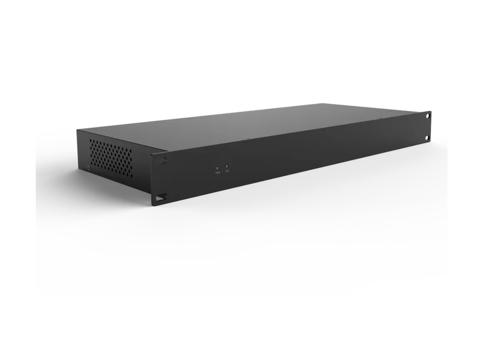
The durability and reliability of a digital audio processor impact long-term performance, especially in professional and demanding environments. Look for processors made with quality components and robust housings. Manufacturer support, including firmware updates, technical assistance, and warranty, is equally important. A well-supported product ensures you can keep your system updated and troubleshoot issues efficiently.
Selecting the right digital audio processor involves balancing your application needs, processing capabilities, connectivity, and product reliability. By carefully assessing these factors, you can ensure your audio system delivers clear, precise sound tailored to your environment. Whether for professional sound reinforcement or personal entertainment, the right digital audio processor is key to achieving superior audio performance.

 English